

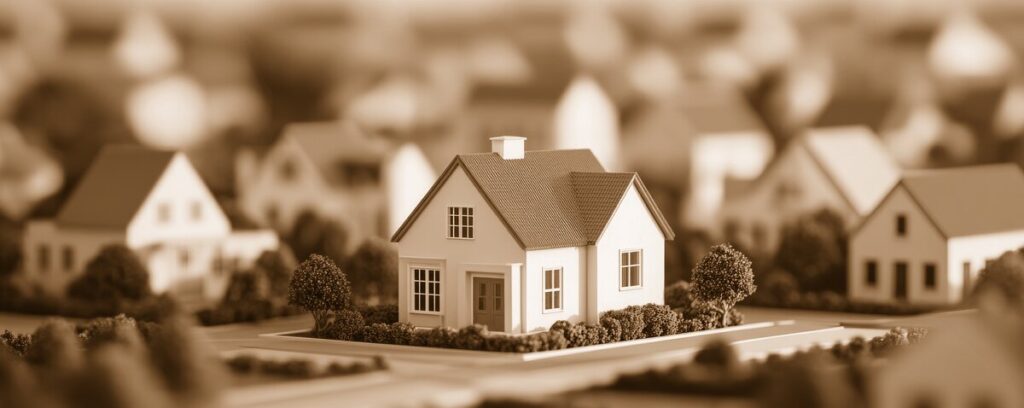
Nestled in the heart of Wilson, North Carolina, the Beverly Hills neighborhood offers a graceful blend of mid-century charm, neighborly warmth, and storied history. Though it shares a name with its famous Californian counterpart, Wilson’s Beverly Hills has a heritage and identity that is all its own—a reflection of the city’s growth, resilience, and evolving sense of community.
The Origins: From Farmland to Welcoming Streets
The story of Beverly Hills begins in the mid-20th century, a time when Wilson was expanding beyond its historic downtown core. With the city’s tobacco market thriving and new industries taking root, developers sought land for modern housing communities to accommodate families drawn by economic opportunity.
What is now the Beverly Hills neighborhood was once patchwork acres of farmland. By the late 1940s and into the 1950s, these fields saw the first ribbon curving of new residential streets—Beverly Drive, Cascade Avenue, and Greenwood Road. Inspired by the national postwar trend of naming new suburbs after desirable destinations, “Beverly Hills” was chosen to evoke a sense of promise and prestige.
Naming the Neighborhood: Aspirations of an Era
While Wilson was never star-struck in the Hollywood sense, the choice of “Beverly Hills” spoke volumes about local aspirations. Residents recall an early promotional flyer boasting of “rolling lawns” and “ample shade,” highlighting the neighborhood’s then-novel emphasis on green space and mature trees.
Even today, Beverly Drive remains the central, winding artery of the neighborhood, flanked by tidy ranch houses and mid-century brick colonials. It’s easy to imagine the optimism of those first families as they settled in, setting the tone for a close-knit neighborhood spirit that endures.
Key Historical Milestones
- 1950s-1960s: A Community Grows
The 1950s were a period of energetic growth for Beverly Hills. Wilson’s school buses began to make regular rounds along Greenwood Road and Cascade Avenue. St. Mary’s Catholic Church established itself as an important spiritual and civic anchor, hosting picnics on its grounds that attracted neighbors of all faiths.
- 1970s-1980s: Civic Engagement
As Wilson, like many American cities, experienced shifts in industry and demographics, Beverly Hills residents stepped up, forming a neighborhood association to maintain their streets and advocate for amenities. Sidewalks were added along key stretches—especially near Hearne Elementary School, still a local landmark on the eastern edge of the neighborhood.
- 1990s-Present: Embracing Change
The past few decades have seen Beverly Hills welcome a more diverse tapestry of residents. Some of the original postwar homes have been lovingly restored, while tastefully updated properties reflect changing tastes. Through it all, the neighborhood has retained an enviable sense of stability and pride.
Notable Landmarks and Institutions
- St. Mary’s Catholic Church: Located just off Greenwood Road, St. Mary’s is often cited as the neighborhood’s heart. Its striking brick façade and peaceful grounds host community events, seasonal festivals, and outreach programs.
- Beverly Hills Park: Tucked between Cascade Avenue and Beverly Drive, this small but beloved park provides green space for families and children. With swings, picnic benches, and grassy patches perfect for impromptu soccer games, the park reflects the neighborhood’s founding vision.
- Historic Homes: Drive along Beverly Drive and you’ll glimpse classic examples of mid-century residential architecture—a sweep of low-slung ranches and traditional two-story homes, many retaining their original brickwork and decorative details.
Streets That Tell Stories
Some of the most beloved streets in Wilson run right through Beverly Hills:
- Beverly Drive: The backbone of the neighborhood, notable for its gentle curves, mature oaks, and festive holiday lights each December.
- Cascade Avenue and Greenwood Road: These parallel streets define the original footprint of the development and feature a cross-section of home styles from each decade since the 1950s.
Neighbors are quick to share memories—from backyard barbecues to kids racing bikes down Greenwood, to watching the world go by from shady front porches.
The Enduring Heritage of Beverly Hills
If there’s a singular thread running through Beverly Hills’ history, it’s the sense of continuity. Longtime residents remember the days when everyone knew each other by name, and new arrivals remark on still being welcomed with a plate of cookies or a cheerful wave.
Through good times and challenging ones, the people of Beverly Hills have preserved the neighborhood’s legacy of inclusion, civic pride, and simple joys. Today, families of all backgrounds and ages call its tree-lined blocks home, contributing to the ongoing story of a special place in the heart of Wilson.
Looking Ahead: Roots and Wings
As Wilson grows and changes, Beverly Hills stands as a living reminder of what makes local neighborhoods matter. With its scattering of historic homes, vibrant churches, and shaded parks, it continues to welcome newcomers while honoring its origins. Whether you are walking your dog along Cascade Avenue or chatting with neighbors outside St. Mary’s after a Sunday service, you’re part of a tradition that stretches back over half a century—a tradition built on warmth, resilience, and the faith that good neighbors make a great place to live.
Beverly Hills may not boast movie stars or glittering mansions, but its enduring spirit and community ties make it every bit as remarkable. For those who know it well, there’s no place quite like Beverly Hills, Wilson’s own hometown treasure.